Education is no longer confined to classrooms, uniforms, and rigid schedules. The 21st century has witnessed an unprecedented growth in homeschooling, where parents choose to educate their children outside the traditional schooling model. Once considered unconventional or niche, homeschooling is now a mainstream choice for millions of families worldwide.
The homeschooling movement gained tremendous momentum during the COVID-19 pandemic, when school closures forced parents into becoming primary educators. But even as schools reopened, the curiosity and interest around homeschooling continued to grow.
Many families saw firsthand the flexibility, customization, and control it provided. Today, homeschooling is a global trend, and its future looks promising with technology, digital platforms, and global networks enabling families to craft unique learning journeys.
This article will dive into the factors shaping homeschooling’s future, its advantages, challenges, global variations, role of technology, and predictions about the way it may transform education in the coming decades.
The Rise of Homeschooling
Pandemic Acceleration
Pre-2020, homeschooling saw slow but steady growth, primarily in countries like the United States, Canada, and parts of Europe. However, the pandemic accelerated interest. Families adapted by blending online resources, homeschooling cooperatives, and flexible schedules.
Shifting Educational Priorities
Parents increasingly prioritize individualized education, character development, and safety over conventional academic benchmarks. Homeschooling allows more control over curriculum and values taught.
Global Acceptance
What was once a Western trend is now seen across Asia, Latin America, and Africa, with parents realizing that home-based education is viable and scalable when supported by technology.
Why Families Are Choosing Homeschooling
- Personalized Learning: Tailoring education to a child’s pace, interests, and strengths.
- Flexibility: Freedom to explore extracurriculars, hobbies, and real-world learning.
- Safety & Well-being: Reduced bullying, mental health stressors, and rigid testing pressures.
- Cultural/Religious Freedom: Ability to incorporate personal values and traditions into education.
- Technology Accessibility: Online platforms make homeschooling structured and resource-rich.
- Cost-effectiveness: In some regions, homeschooling can be less expensive than private schools.
Global Statistics and Growth Indicators
- The U.S. had approximately 5 million homeschooled students in 2022, more than double pre-pandemic numbers.
- Europe sees rising rates, especially in the UK, France, and Poland, though regulations vary.
- In Asia, particularly India and China, urban families are experimenting with homeschooling aligned with global curricula.
- Africa has witnessed community-driven homeschooling networks arising in response to resource shortages in local schools.
By 2030, experts predict homeschooling could account for up to 10% of global K-12 education enrollment, particularly through hybrid and tech-enabled models.
Advantages of Homeschooling
Customized Education
Children receive attention tailored to their learning style and pace, unlike crowded classrooms.
Stronger Family Bonds
Parents actively shape their children’s education, enhancing emotional and interpersonal connections.
Academic Outcomes
Research in many countries shows homeschoolers often score above average on standardized tests.
Real-World Learning
Homeschooling provides opportunities for experiential education: internships, travel-based projects, or community volunteering.
Student Agency
Children often become strong self-directed learners, as homeschooling encourages ownership of learning.
Challenges of Homeschooling
Socialization Concerns
Critics argue that homeschoolers may miss opportunities for peer interaction, though community groups help mitigate this.
Parental Commitment
Effective homeschooling requires time, dedication, and teaching skills, which can strain working families.
Limited Access to Facilities
Labs, sports, and extracurricular programs may be harder to access compared to traditional schools.
Regulation Differences
In some countries, homeschooling is heavily restricted or even illegal, limiting parental choices.
Income Divide
Not all families can afford the time and financial sacrifices required for homeschooling.
Homeschooling vs. Traditional Schooling
| Aspect | Homeschooling | Traditional Schooling |
|---|---|---|
| Flexibility | Highly flexible in curriculum & schedule | Rigid schedules and standardized curriculum |
| Personalization | Individualized learning plans | Generalized approach for large classrooms |
| Socialization | Requires active effort via groups/networks | Naturally embedded in school environments |
| Academic Freedom | Can emphasize passions & practical learning | Must align with government/state standards |
| Access to Facilities | Limited unless supplemented externally | Built-in access to labs, sports, activities |
| Cost | Lower in some regions, varies by resources | Free in public schools, costly in private |
This table highlights how homeschooling shines in flexibility and personalization while traditional schooling excels in structure and community resources.
Role of Technology in the Future of Homeschooling
Technology is a major driver enabling homeschooling to scale:
- Learning Management Systems (LMS): Platforms like Canvas, Moodle, and Google Classroom provide structured frameworks.
- Online Curriculum Providers: Resources from Khan Academy, EdX, Coursera, and Outschool cater to varying age groups and subjects.
- Virtual Reality (VR) & AR Learning: Immersive experiences bring science labs, history tours, and geography to the living room.
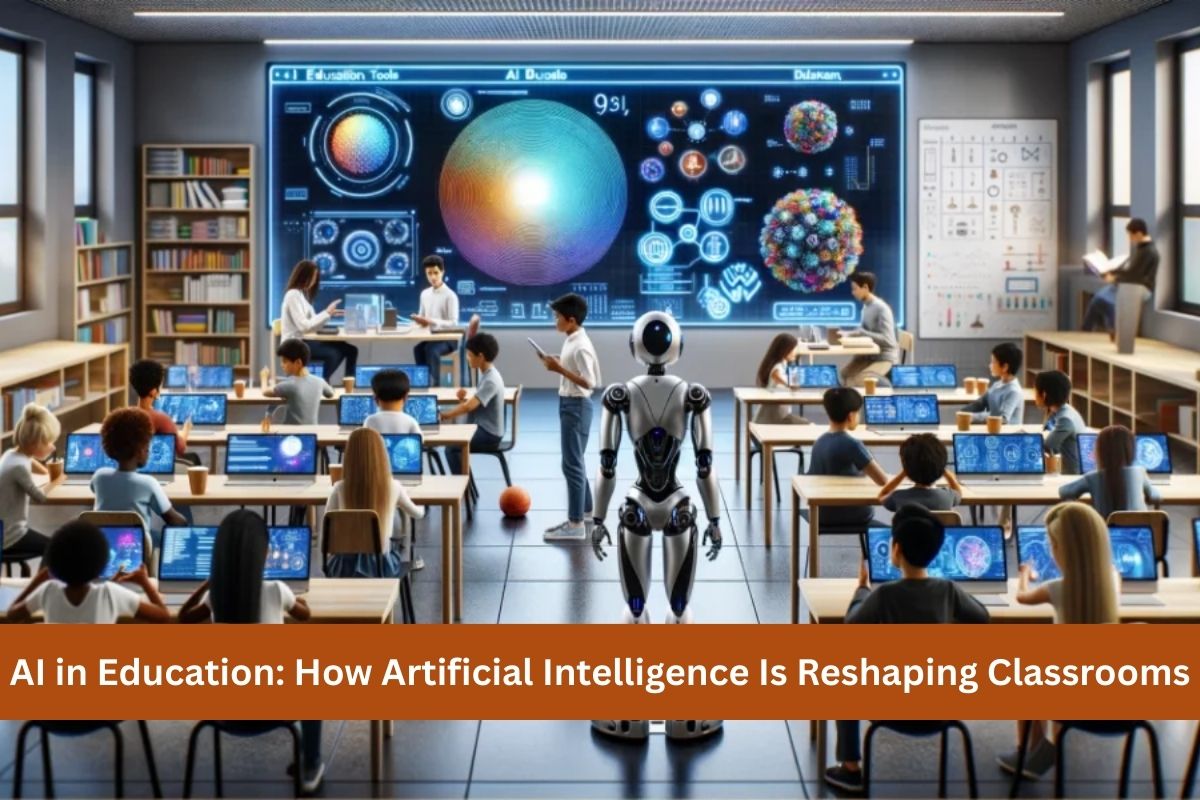
- AI Tutors: Personalized progress trackers, instant feedback, and adaptive pathways.
- Global Networks: Online homeschooling communities allow families across countries to collaborate, exchange resources, and organize events.
With technology, homeschooling becomes less isolated and more globally connected.
Homeschooling Around the World
- United States: Homeschooling is legal in all states with varying oversight. Increasingly, colleges welcome homeschool graduates for their unique skills.
- Europe: Diverse regulations—countries like the UK allow flexibility, while Germany strictly prohibits home education.
- Asia: Growing in India and China among middle-class families aiming for international curricula.
- Africa: Rising popularity in urban centers, though limited resources pose challenges; often organized through community-driven models.
These variations show that homeschooling’s growth will depend significantly on policy frameworks and cultural attitudes.
The Socialization Debate
One of the strongest criticisms of homeschooling is the perceived lack of socialization. While concerns are valid, evidence suggests:
- Homeschoolers often participate in clubs, sports, religious groups, and volunteer activities.
- Community-based homeschooling co-ops recreate school-like environments with group learning.
- Online networks now allow collaboration with peers across the globe.
Thus, instead of being socially isolated, homeschooling may actually foster more diverse interactions.
Predictions for the Future of Homeschooling
Hybrid Models
A blend of homeschooling with shared classes at local schools or community centers.
Technology-Driven Expansion
VR classrooms, AI tutors, and international collaborations will make homeschooling more dynamic.
Policy Shifts
Governments may move towards flexible structures as homeschooling becomes mainstream, requiring guidelines for quality assurance.
Rise of Micro-Schools
Small, parent-led collaborative schools that combine homeschooling freedom with group interaction.
Increased Employer and College Recognition
As more homeschoolers enter higher education and careers successfully, the stigma around homeschooling will fade.
Conclusion
The future of homeschooling is not one of marginal, unconventional practice but of expanding global adoption. It reflects broader shifts in how families view education—moving from standardized paths to personalized, flexible, and values-driven learning.
While challenges like regulations, resource gaps, and socialization hurdles exist, technology and community-based solutions are rapidly addressing them. Homeschooling will not necessarily replace traditional schools but become a valid, growing complement in a diversified education system.
As families worldwide seek education that fits their unique needs, homeschooling stands at the forefront of a global redefinition of learning.
FAQs
Is homeschooling legal everywhere?
No, homeschooling is legal in some countries like the U.S. and UK, but heavily restricted or banned in others such as Germany.
Do homeschooled students get into college?
Yes, many colleges actively recruit homeschool graduates for their skills in independence, project management, and critical thinking.
How do homeschooled students socialize?
Through community groups, extracurriculars, sports teams, online platforms, and co-ops that recreate group experiences.
Is homeschooling more expensive than traditional schooling?
It depends. It can be cheaper than private schools but more costly than free public education due to resources and parental time commitments.
What role does technology play in modern homeschooling?
A critical one—providing online courses, apps, AI tutors, VR environments, and global learning networks that empower home educators and learners alike.